 Double-pane windows with a low-emissivity glass coating can reduce heating bills by 34% in cold climates compared to uncoated, single-pane windows. When adjusting a thermostat manually, remember that the house will not warm up or cool down faster if you set the thermostat past the desired temperature. Besides, it is easy to forget to turn it back to the normal setting and in the meantime you’ll be wasting energy and money. Consider landscaping your home for energy conservation. For instance, plant evergreen trees on the north side and deciduous (leafy) trees on the south side to block winter winds and the heat of the summer sun. Make sure your attic is well insulated. This step alone can save you 20%-35% on heating costs and up to 35% on air conditioning costs. Seal any openings with caulk or compressed fiberglass insulation. Also check for adequate ventilation in the attic through unclogged, screened vents. If you run an air conditioner, consider adding roof vents (so your attic won’t trap hot air in the summer). To extend your water heater's life and increase energy efficiency, drain it every six months to remove lime deposits and sediment.Install flow-restricting showerheads. You can reduce hot water use by as much as 50% without affecting shower pressure. Leave your storm windows on all year long. They provide valuable year-round insulation. Storm windows can create substantial fuel savings. Make sure your duct system is sealed. Leaky ducts can waste enormous amounts of heat and air conditioning, and you won’t know it until you get hit with a huge energy bill. Contact us if you suspect a duct leak.Windows should have ample coverings to provide shade from warm sunlight in summer months. Draperies can provide added insulation in winter. Use kitchen, bath and other ventilating fans wisely; in just one hour, these fans can pull out a houseful of warmed or cooled air. Turn fans off as soon as they have done the job. Double-pane windows with a low-emissivity glass coating can reduce heating bills by 34% in cold climates compared to uncoated, single-pane windows. When adjusting a thermostat manually, remember that the house will not warm up or cool down faster if you set the thermostat past the desired temperature. Besides, it is easy to forget to turn it back to the normal setting and in the meantime you’ll be wasting energy and money. Consider landscaping your home for energy conservation. For instance, plant evergreen trees on the north side and deciduous (leafy) trees on the south side to block winter winds and the heat of the summer sun. Make sure your attic is well insulated. This step alone can save you 20%-35% on heating costs and up to 35% on air conditioning costs. Seal any openings with caulk or compressed fiberglass insulation. Also check for adequate ventilation in the attic through unclogged, screened vents. If you run an air conditioner, consider adding roof vents (so your attic won’t trap hot air in the summer). To extend your water heater's life and increase energy efficiency, drain it every six months to remove lime deposits and sediment.Install flow-restricting showerheads. You can reduce hot water use by as much as 50% without affecting shower pressure. Leave your storm windows on all year long. They provide valuable year-round insulation. Storm windows can create substantial fuel savings. Make sure your duct system is sealed. Leaky ducts can waste enormous amounts of heat and air conditioning, and you won’t know it until you get hit with a huge energy bill. Contact us if you suspect a duct leak.Windows should have ample coverings to provide shade from warm sunlight in summer months. Draperies can provide added insulation in winter. Use kitchen, bath and other ventilating fans wisely; in just one hour, these fans can pull out a houseful of warmed or cooled air. Turn fans off as soon as they have done the job.

|


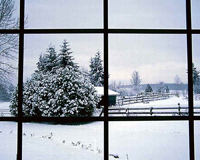 During the winter months, turn down your thermostat from 72°F to 68°F for eight hours a day and you'll save as much as 10% on energy costs. Every degree you lower your thermostat could save you about 3% on your heating bill.
 Heating water is the third highest energy expense in most homes. If the water temperature of your water heater is set at 140°F, turn it down to 130°F. You’ll save a few dollars each month.